§ How-To
New Chainsaw Chain Not Cutting Well? Break-In Tips
Users ask: just installed new chain, cuts slow, smoking, needs break-in tension and lubrication adjustment
Published · Last updated:
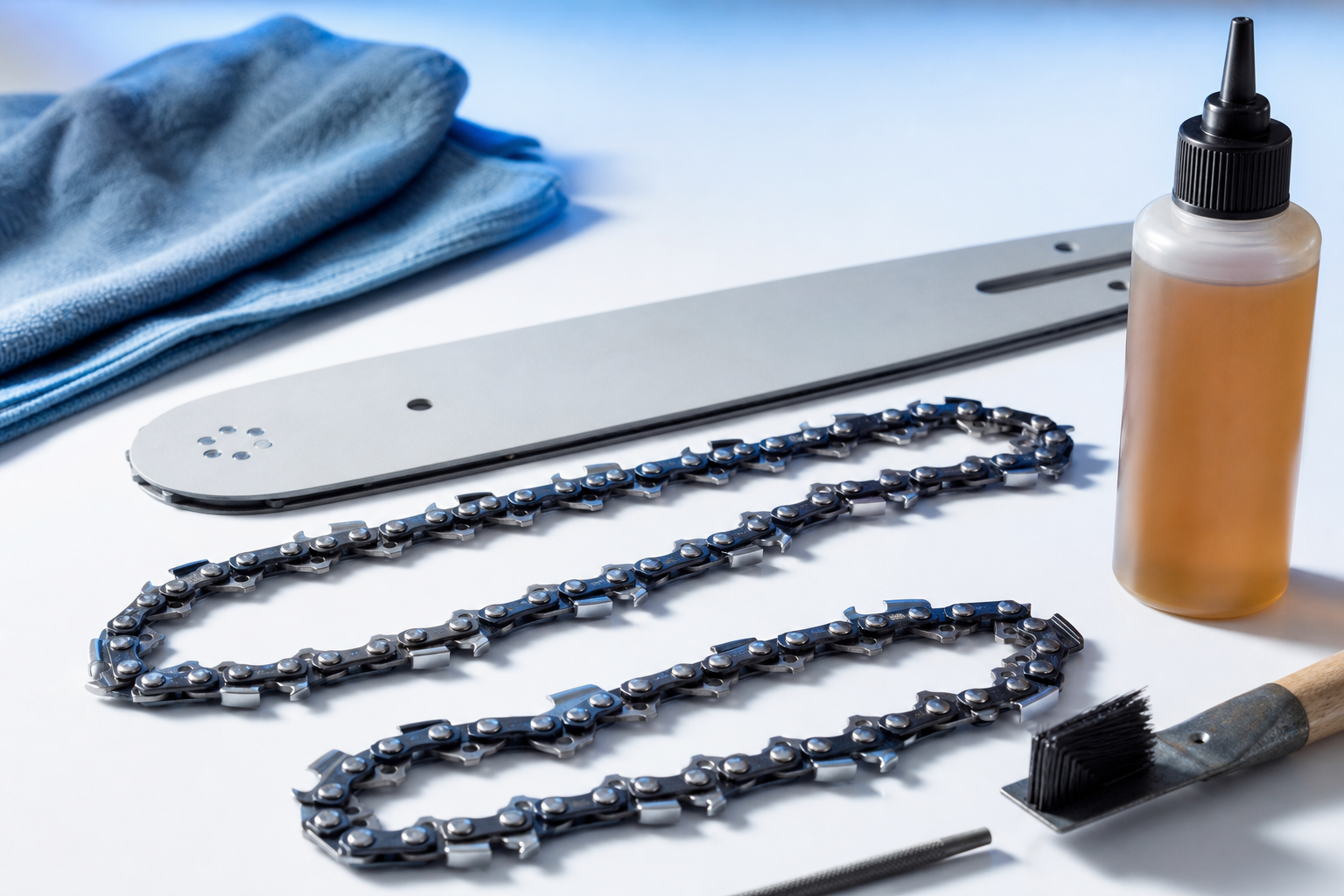
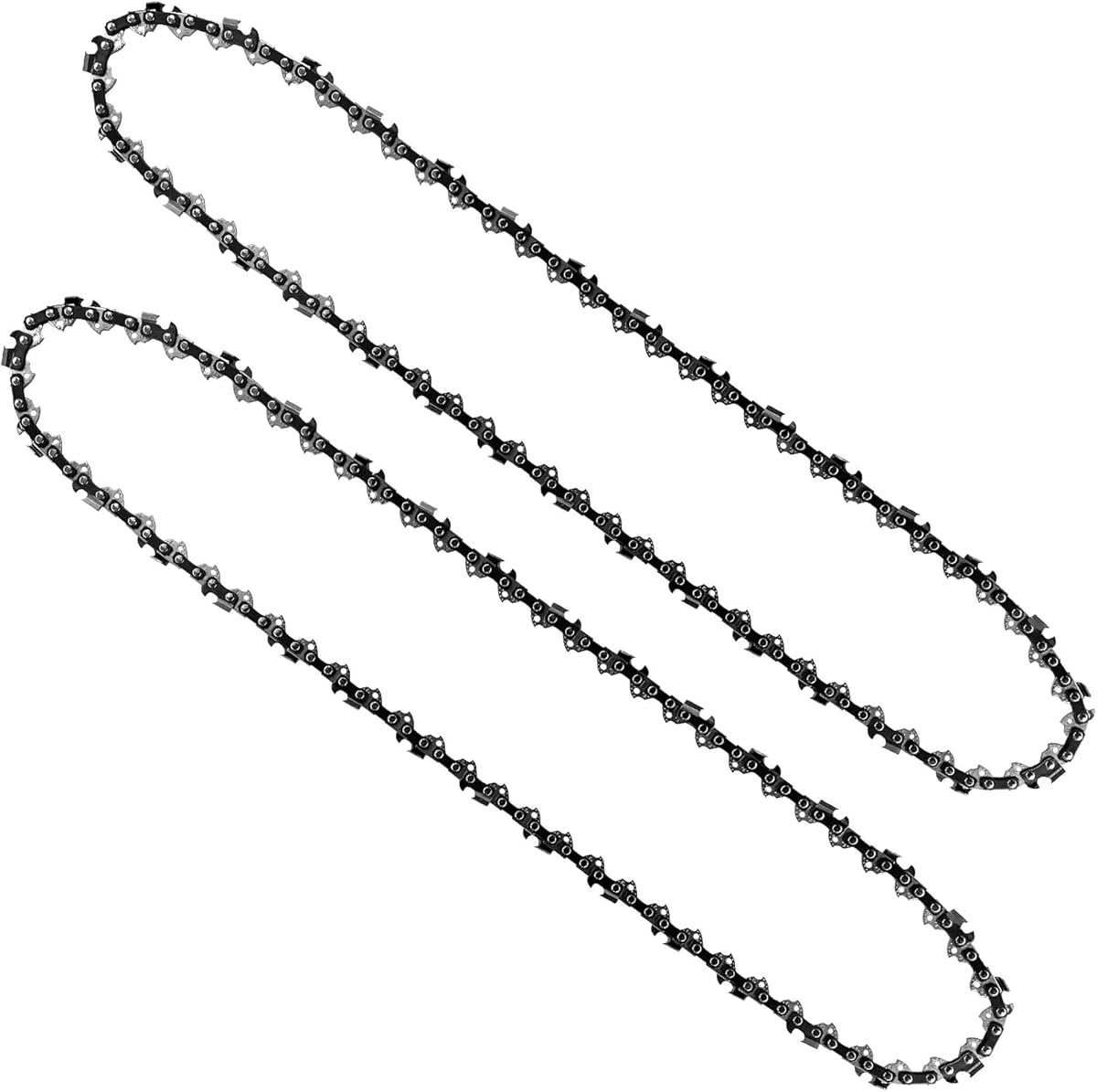
A brand-new chainsaw chain should cut cleanly and pull itself into the wood with light pressure. If your new chain is cutting slowly, making dust instead of chips, smoking in the cut, or constantly going loose, don’t assume the chain is defective. This question comes up often in owner forums, and in most cases the problem is setup, lubrication, tension, or installation—not a “bad” chain. A fresh chain does have a short break-in period, but it should still cut well right away when matched correctly to the saw and adjusted properly. If you’re replacing a chain on a homeowner saw, make sure you’re using an exact-fit replacement chain matched by bar length, pitch, gauge, and drive-link count, because even a slight mismatch can create poor cutting and oiling problems from the start.
Confirm the Chain Is Installed Correctly
Before you start adjusting anything else, verify that the chain is actually mounted in the right direction. This is the first thing I check in the shop because it causes a surprising number of “new chain won’t cut” complaints.
On the top of the bar, the cutter edges must face forward. The sharp cutting corner should lead into the wood. If the cutters point backward on the top run, the saw will rub, create fine dust, and may smoke almost immediately.
Here’s a quick checklist:
- Cutter edges on top of the bar face toward the bar tip
- Drive links sit fully in the bar groove
- Chain is seated properly around the drive sprocket
- Bar is installed with the tension pin engaged in the bar hole
- Side cover is tightened only after final tension adjustment
Also inspect the bar rails and groove. If the old chain was badly worn or thrown, the bar may have burrs or packed debris that prevent the new chain from running freely. Clean the groove, oil holes, and sprocket nose if equipped.
If the chain was selected by “looks close enough” rather than exact specifications, double-check fitment. A proper replacement chain must match:
- Bar length
- Pitch
- Gauge
- Drive-link count
That combination matters on both battery and gas chainsaws. An incorrect gauge can bind in the bar groove, and a wrong drive-link count can affect tension range and sprocket engagement.
Set Tension for Break-In, Then Recheck Often
A new chain stretches more during the first few cutting cycles than a broken-in chain. That’s normal. What owners often describe as “my new chain keeps loosening” is usually just initial seating of the rivets and links.
The key is to tension it correctly from the start.
With the saw off and cool:
- Loosen the bar nuts slightly
- Lift the nose of the bar upward
- Turn the chain tension screw until the chain sits snug against the underside of the bar
- Pull the chain by hand in gloves—it should move freely
- Check that the drive links do not hang completely out of the bar groove on the underside
- While still lifting the bar nose, tighten the bar nuts
A properly tensioned chain should snap back into the groove when pulled away slightly by hand. Too loose, and it slaps, derails, and cuts crooked. Too tight, and it overheats, smokes, and feels slow because of excess friction.
During break-in, stop after the first few cuts and recheck tension. Then check it again after 10 to 15 minutes of use. This is especially important on smaller homeowner saws and battery chainsaws, where bar heat and chain expansion can show up quickly.
A few practical notes:
- Never tension a hot chain to “cold tight” specs
- Let the chain cool before making a final adjustment
- A chain tightened too aggressively when hot can shrink as it cools and damage the bar, clutch, or sprocket
- On battery models, remove the battery before making adjustments
Make Sure the Bar Is Oiling Properly
If a new chain is smoking, one of the biggest suspects is poor lubrication. A chain cannot “break in” dry. It needs a steady film of bar and chain oil from the first cut.
Start with the basics:
- Fill the oil reservoir with proper bar and chain oil
- Do not substitute motor oil unless the manufacturer specifically allows it
- Check the oil pickup area and cap vent
- Clean the bar oil hole and groove
- Make sure sawdust is not blocking the oiler outlet on the powerhead
To test oil flow, reinstall the bar and chain, start the saw, and hold the bar tip a few inches above a clean stump or cardboard. Run at moderate throttle for 30 to 60 seconds. You should see a light line or spray of oil.
If there’s little or no oil:
- Remove and clean the bar
- Clean both oil inlet holes if your bar has them
- Rotate the bar if it’s reversible
- Inspect the bar groove for packed debris
- Check that the oil outlet on the saw lines up with the bar hole
- Verify the automatic oiler is functioning
A dry chain creates heat fast. Heat dulls the edge, turns chips into powder, and can discolor the bar rails. If the saw cuts one log and then suddenly slows down with smoke, stop and solve the oiling issue before continuing.
This is also where exact chain fit matters again. A chain with the wrong gauge or an improperly matched bar/chain combination can affect how oil is carried along the groove.
Understand What “Break-In” Really Means
A lot of owners expect a new chain to need heavy pressure for the first tank or two. That’s not how a good chain behaves. Break-in does not mean “barely cuts until it wears in.” It means the chain’s moving parts settle, tension changes slightly, and the saw may need a few checks early on.
A proper break-in routine is simple:
- Start with a sharp, correctly installed chain
- Verify oil flow
- Make a few light to moderate cuts in clean wood
- Avoid forcing the saw hard through large hardwood immediately
- Recheck tension after the first several cuts
- Keep the chain lubricated and let the saw do the work
Let the cutters feed naturally. If you have to push hard, something is wrong. Excess pressure creates heat and can glaze the cutters or damage the bar.
Also look at the material coming out of the cut:
- Large chips: good cutting performance
- Fine dust: dull chain, backward chain, low rakers, or lubrication issue
- Smoke with dust: usually friction from poor oiling or too-tight tension
If the chain still cuts poorly right out of the box, inspect the depth gauges and cutter edges. Most new chains are ready to work, but they can be damaged in shipping, dulled by hitting dirt on the first cut, or installed on a worn drive sprocket that prevents smooth operation. A badly worn sprocket can make a new chain run rough and wear prematurely, so if you’ve gone through several chains on one sprocket, inspect that next.
Check Your Cutting Technique and the Bar/Chain Match
Even with everything installed correctly, user technique can make a new chain seem weak. Homeowner saws—especially cordless models—perform best when allowed to maintain chain speed. Leaning too hard into the cut drops RPM and increases heat.
Use these habits:
- Cut at full operating speed
- Apply light, steady pressure
- Keep the wood clean and off the ground
- Avoid touching soil, rocks, or old fencing
- Support the log so the kerf doesn’t pinch the bar
- Watch for crooked cutting that suggests bar wear or uneven chain sharpness
If the saw pulls to one side, don’t blame break-in automatically. Uneven bar rails, damage from a previous chain, or a chain that was dulled on one side can all cause crooked cuts.
And again, confirm you’re running the correct replacement chain for your setup. On both gas and battery chainsaws, replacement chains need to be matched exactly by bar length, pitch, gauge, and drive-link count. That’s the only reliable way to get proper fit, tension range, sprocket engagement, and bar oil distribution.
Watch: Video Walkthrough
FAQ
Does a new chainsaw chain need a break-in period before it cuts normally?
A new chain may need minor tension readjustment during the first few cuts, but it should cut well immediately if installed correctly, sharpened properly, and lubricated. “Break-in” mainly refers to the chain settling, not poor cutting performance.
Why does my new chain smoke but still seem sharp?
Smoking usually points to friction, not lack of sharpness. The most common causes are inadequate bar oiling, chain tension that’s too tight, a blocked bar groove or oil hole, or a chain installed backward.
How often should I retension a new chain?
Check it before use, after the first few cuts, and several times during the first work session. New chains loosen faster than used ones. Once broken in, tension usually stabilizes and needs less frequent adjustment.

Find the right part on Amazon
Check price, stock and fitment — ships direct from Amazon.
§ Parts