§ How-To
Chainsaw Chain Keeps Stretching? Here's Why and What to Do
Find out why your chainsaw chain keeps going loose — from normal break-in stretch and heat expansion to worn sprockets and bar problems.
Published · Last updated:
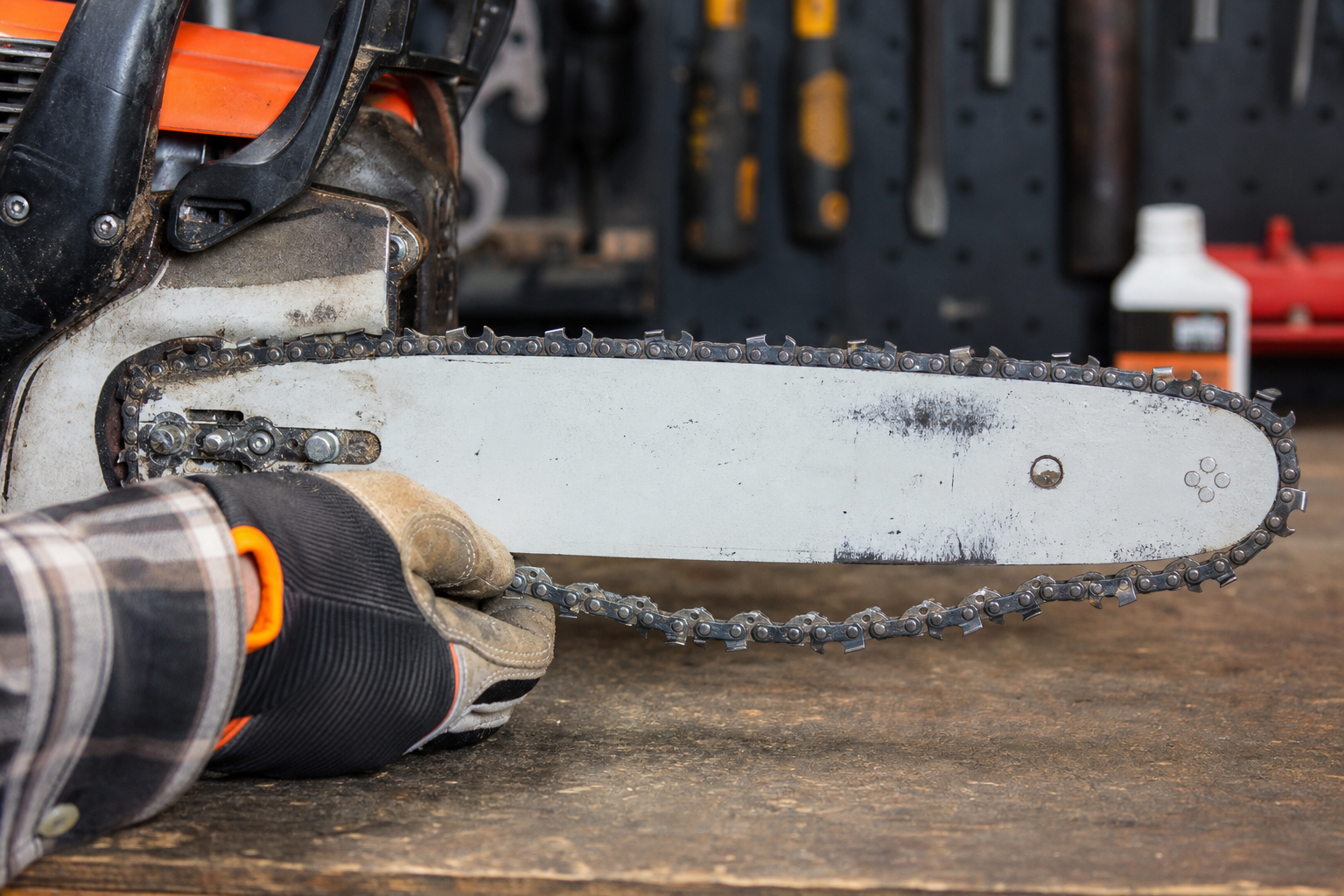
You tension the chain, make a few cuts, and five minutes later it’s sagging off the bar again. This is one of the most common complaints in chainsaw owner forums, and it ranges from a minor inconvenience with a simple fix to a sign that something on the saw is genuinely worn out. A loose chain is more than just annoying — it can derail, damage the bar groove, wear the drive sprocket, and create a serious safety risk. Understanding why chains stretch helps you tell the difference between normal behaviour and a problem that needs attention.
New Chain Break-In Stretch
If you’ve just fitted a brand-new chain, some initial stretching is completely normal. This isn’t really the chain “stretching” in the way a rubber band does — it’s the rivets, links, and drive lugs seating themselves under load for the first time.
A new chain typically needs retensioning several times during its first work session. Here’s what to expect:
- First few cuts: Stop and check tension. The chain will almost certainly have loosened.
- After 10–15 minutes of cutting: Check again. It will likely need another small adjustment.
- After the first full session: Tension should begin to stabilise.
This break-in period is normal and doesn’t indicate a defective chain. It’s more pronounced on longer chains (18” bars and above) simply because there are more rivets settling in.
The key is to retension correctly:
- Switch off the saw and let the chain cool slightly
- Loosen the bar nuts just enough to allow adjustment
- Lift the bar nose and turn the tension screw until the chain sits snug against the underside of the bar
- The chain should pull freely by gloved hand and snap back against the bar when released
- Tighten the bar nuts while still holding the bar nose up
Never tension a hot chain to “cold tight” specs. A chain expands when hot and contracts when it cools. If you set it tight while hot, it can shrink enough to damage the bar, clutch bearing, or crankshaft seal.
Heat Expansion During Use
Every chainsaw chain expands as it heats up during cutting. This is basic thermal expansion — metal gets longer when it gets hotter. On a typical homeowner saw, you may notice the chain getting slightly looser as you work through a session, even on a broken-in chain.
This is normal and is managed by:
- Checking tension periodically during longer work sessions
- Allowing short cooling breaks between heavy cuts
- Making sure bar oil is flowing properly — a well-lubricated chain runs cooler and expands less
If the chain is expanding so much that it sags dangerously within a few minutes of cutting, something else is usually contributing. Check for inadequate oiling, a blocked bar groove, or a chain that’s too loose to begin with.
Worn Drive Sprocket
This is the most common mechanical cause of a chain that keeps stretching beyond normal break-in. The drive sprocket — the toothed wheel at the powerhead that engages the chain’s drive links — wears over time. As the teeth become hooked, rounded, or uneven, they no longer grip the chain cleanly. Instead, they pull and deform the drive links with each rotation, accelerating chain elongation.
Signs of a worn sprocket:
- Visible wear on the sprocket teeth — hooked tips, rounded edges, or uneven tooth height
- New chains stretch or loosen much faster than expected
- The chain runs rough or vibrates even when properly tensioned
- Metal filings or dust around the sprocket area
The general rule of thumb is to replace the drive sprocket every two chains. If you’ve been running multiple chains on the same sprocket without replacing it, that sprocket is likely the cause of your stretching problem. Fitting a new chain onto a worn sprocket is a false economy — the old sprocket will damage the new chain immediately.
On saws with a spur sprocket (a solid gear machined into the clutch drum), you replace the entire drum. On saws with a rim sprocket (a removable ring that sits on the drum), you just swap the rim — it’s cheaper and faster.
Worn or Damaged Bar
A guide bar in poor condition can contribute to excessive chain loosening:
- Worn bar rails allow the chain to sit lower in the groove, effectively adding slack.
- A pinched groove creates resistance that mimics loose tension — the chain binds in spots and hangs loose in others.
- A bent bar causes uneven chain tracking and can make it impossible to achieve consistent tension around the full loop.
Check your bar rails for even height by laying a straight edge across them. If one rail is lower than the other, the bar is due for dressing or replacement. Clean the bar groove regularly — packed sawdust restricts chain movement and contributes to uneven wear.
Incorrect Chain or Bar Match
A chain that technically fits on the bar but isn’t the correct specification will never tension properly. Common mismatches that cause persistent looseness:
- Too many drive links — the chain is too long for the bar and can’t be tensioned enough
- Wrong pitch — the chain doesn’t engage the sprocket correctly
- Wrong gauge — the chain sits improperly in the bar groove
Even one or two extra drive links can make the difference between a chain that tensions correctly and one that always sags. If you’re not sure whether your chain is the right match, count the drive links and compare to the specification stamped on your guide bar.
Bar Mounting Problems
Sometimes the issue isn’t the chain at all — it’s the bar shifting position:
- Worn bar mounting slot — an elongated slot lets the bar slide back, reducing tension
- Tension-adjuster pin not engaged — if the pin isn’t seated in the bar’s tension hole, adjustments won’t hold
- Bar nuts not tight enough — the bar creeps backward under load
Check that the bar is firmly secured and that the tensioning mechanism is functioning correctly. On saws with tool-less chain tensioning systems, the plastic knobs can strip over time and fail to hold the bar in position.
What to Look for in a Replacement
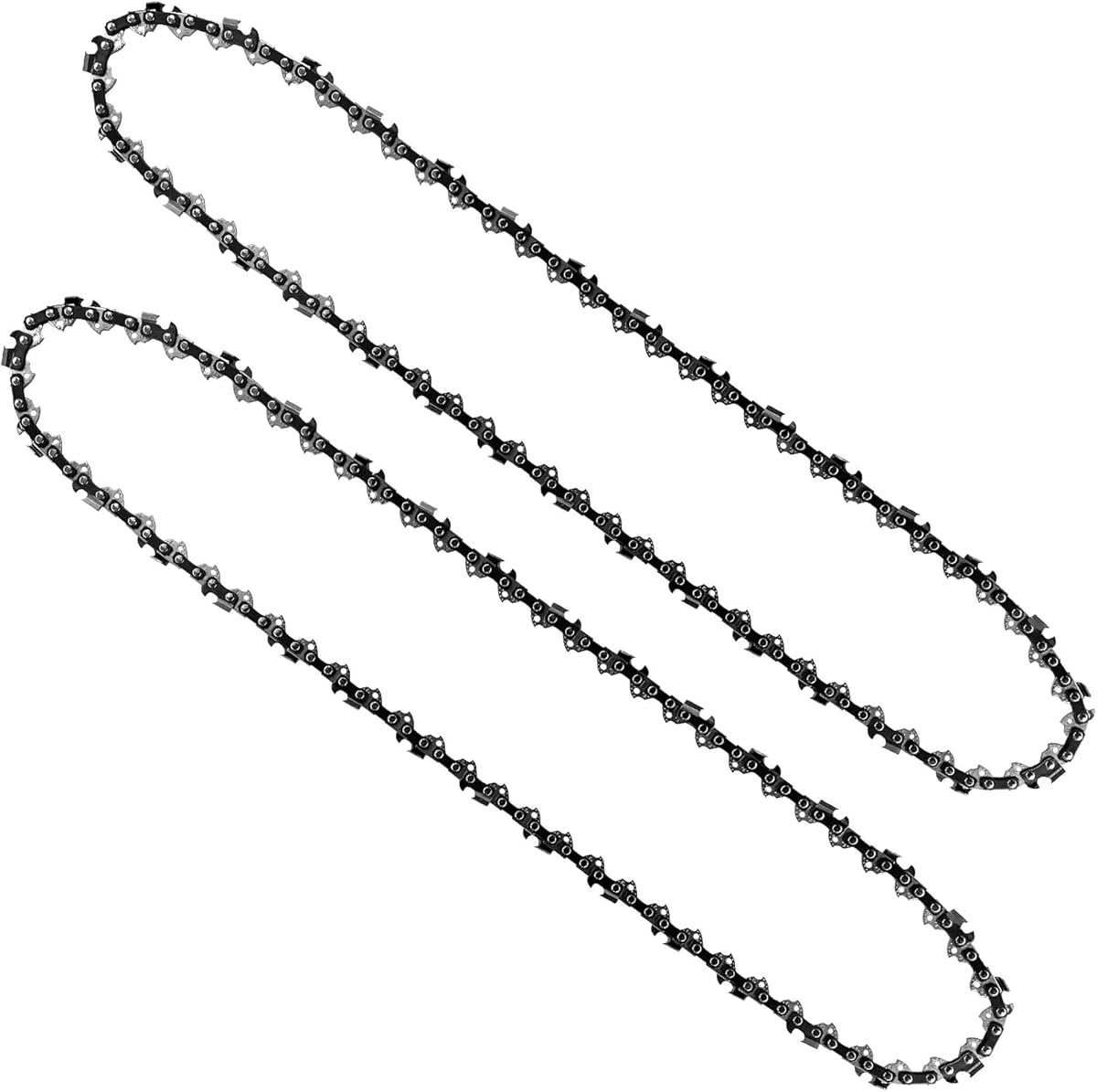
If your chain has stretched beyond its useful adjustment range, or if a worn sprocket has been damaging chains prematurely, it’s time for a fresh chain matched exactly by pitch, gauge, and drive-link count. Consider a bar-and-chain combo if the bar is also showing wear — starting with matched, unworn components eliminates most causes of persistent chain stretch and gives you a reliable baseline from the first cut.

Find the right part on Amazon
Check price, stock and fitment — ships direct from Amazon.
§ Parts